
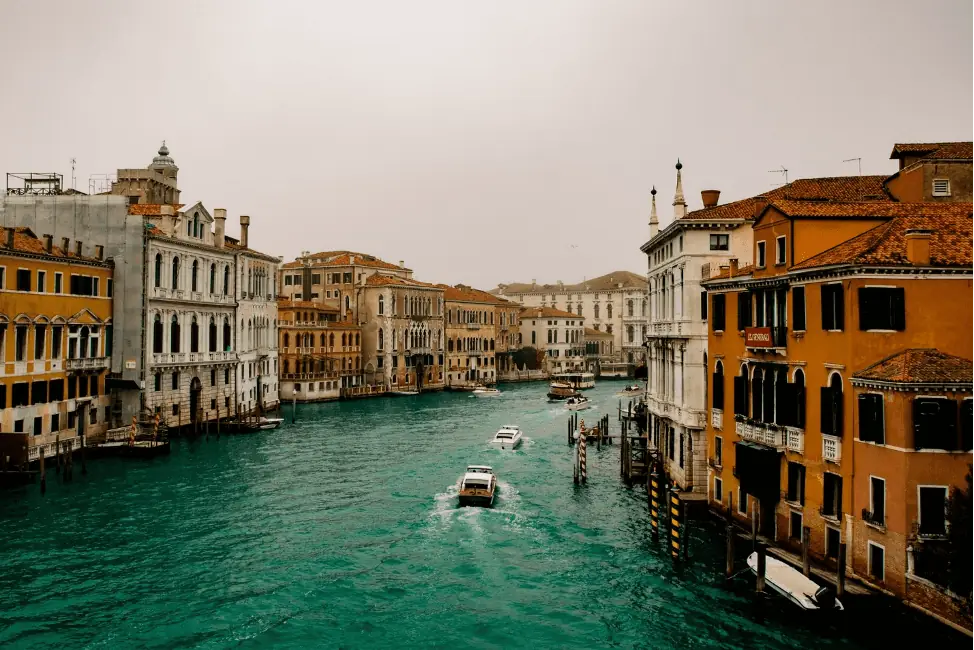
Have you ever had the chance to visit the Venetian lagoon? Nestled between the Adriatic Sea and the Italian mainland, this body of water surrounding Italy is hailed as one of the most ecologically rich ones in the entire Mediterranean.
From Venice’s role in ancient history and the countless literature produced on it, it’s hard to assume that even a small fraction of the once city-state has been left undiscovered. But, such is the field of historical studies and archaeology that surprising remnants of the past turn up quite often – such as the one recently found.
Uncovering the Discovery
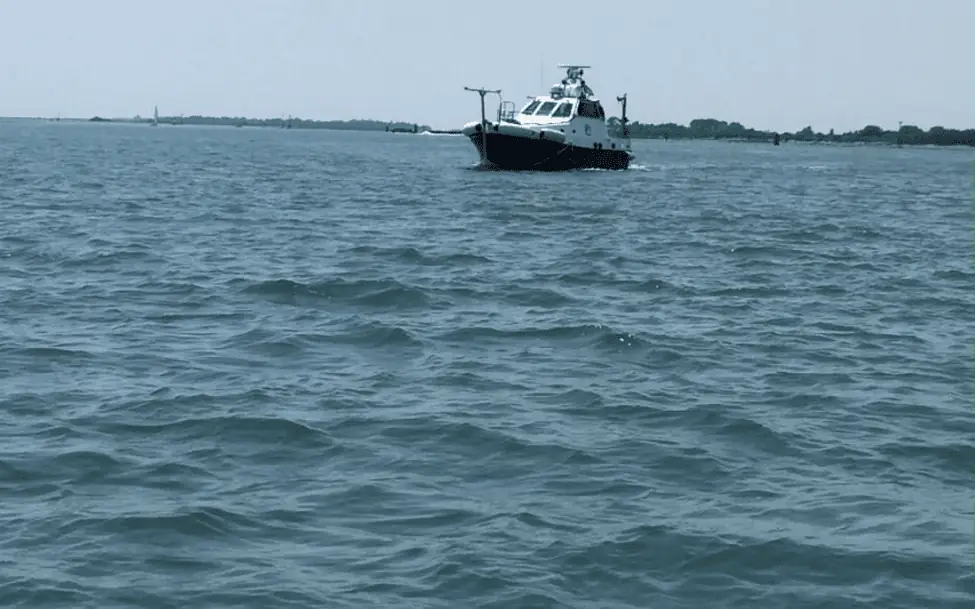
An ancient road was recently discovered in Venice dating back to the Roman age about 2000 years ago. Now submerged inside the Venetian lagoon, the area and road are thought to have once been accessible by land. Venice’s Marine Science Institute representatives, Fantina Madricardo, and her teammates are responsible for the discovery following their mapping of the Treporti channel, which is an area of the lagoon. Madricardo and co. think the new finding belonged to a system of Roman roads in the northeast of Venice.
Not the First Time
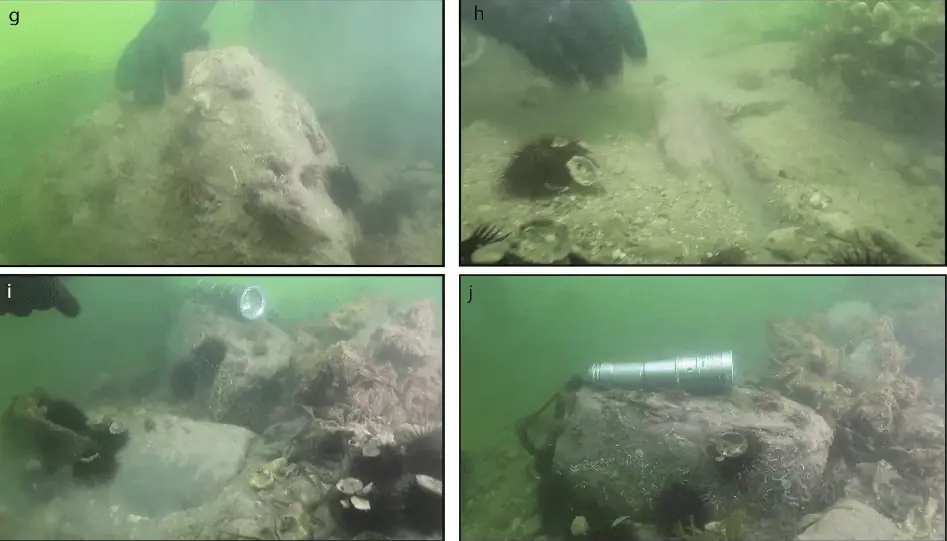
About 3 decades ago, Ernesto Canal, an Italian archaeologist suggested that Venice lagoon had concealed ancient humanmade structures rich in historical data. While the proposal spurred decades-long debate, that was all it managed to do until now. A big reason for this was the lack of available technology to explore and tackle such a testing environment. Due to the turbid waters and strong currents of the lagoon, investigating the channel wasn’t the easiest of tasks.
More on the Ancient Road
In the configuration of the road, researchers discovered structures up to 52.7 meters long and 2.7 meters tall, extending from southwest to northeast for 1140 meters. From the layout and mere presence of these structures, it is suggested that the area might have hosted some sort of a settlement as well.
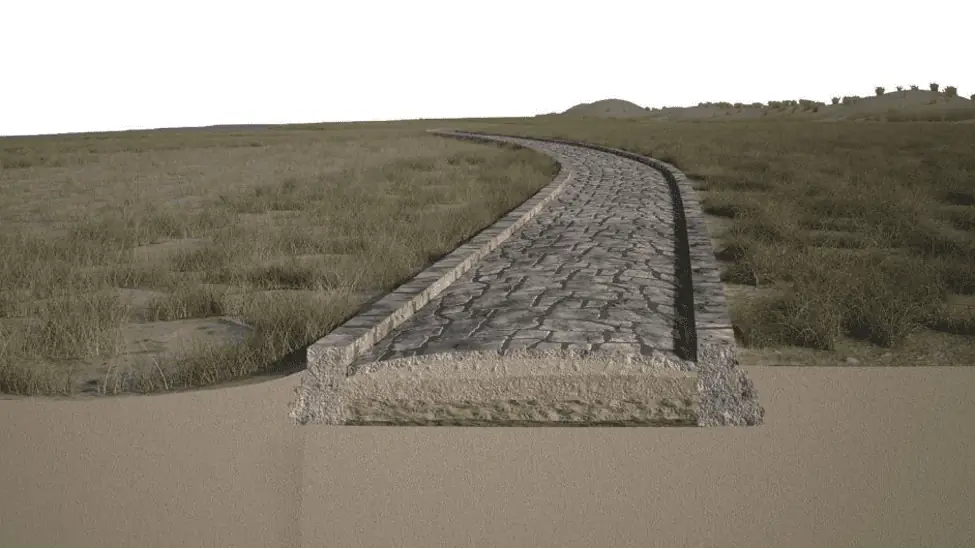
Perhaps the road granted access to the Romans to exploit the rich waters of the lagoon. This is why the human activity is partly to blame for the submersion of the area about 2000 years ago. Because of ongoing activity, the surrounding land was starved of the sediment necessary to keep it above water and the flow of water was also diverted. Unfortunately, it is difficult to study drowned objects to near-perfect precision and though we do know a bit of its history, it might be impossible to uncover all the stories attached to the ancient road.