
Have you ever seen a starfish feed? It’s a truly bizarre phenomenon. When they come across something they fancy like an oyster or mussel, you’ll find them turning their stomachs, which is also their mouth. Then, their tasty prey turned meal is digested outside their body. Previously, scientific studies revealed that starfish have the “love hormone” called oxytocin, just like human beings do.
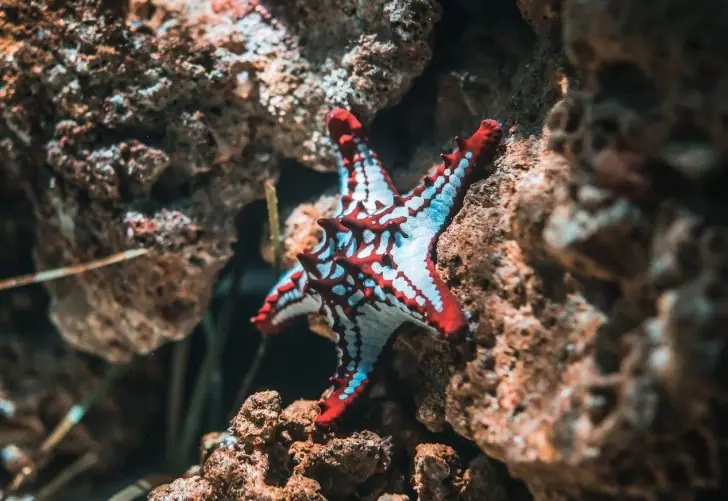
Now, a new study published in the journal eLife indicates that like humans, starfish produce chemicals that signal them to stop eating.
Some Unknown Grounds
Though the aspect of feeding in starfish was clear as day, scientists struggled to identify the hormone that had the opposite effect on the marine creature – what caused it to terminate that feeding behavior caused by oxytocin? To look for answers, researchers started looking into the effects of SK/CCK-type neuropeptides in the common starfish Asterias Ruben. This hormone is known to obstruct feeding in insects as well as humans. And it worked!
Lead co-authors of the study and Queen Mary Postdoctoral Research Assistant Dr. Ana Tinoco comments that since starfish feed in an unusual manner with their mouth protruding from their stomachs, the anatomy makes them good tools for studying the chemicals that play a role in feeding processes. Dr. Tinoco also adds that though the role of the hormone was already evident in feeding in animals, discovering a similar effect in starfish despite their unique body plan, lack of brain, and dramatically altered feeding behavior, is fascinating.
Here’s What Happened
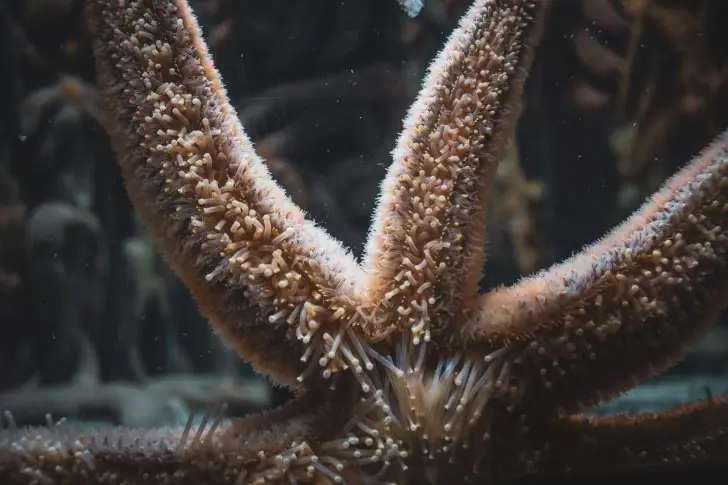
Scientists discovered found the marine animal retracting its stomach when injected with the SK/CCK-type neuropeptides. On top of that, the creature was less inclined to feeding even when presented with its favorite meals after being injected. Queen Mary Professor of Physiology and Neuroscience Professor Maurice Elphick states that the study’s findings cast the SK/CCK-type neuropeptides as an evolutionary inhibitor of feeding.

Wrapping It Up
Scientists are constantly at work to find ways to make the world better suited to the individuals residing in it. Now that feeding inhibitors in starfish have become apparent, further testing for 3D structures of the receptor proteins will lead to a breakthrough in the field of science. Can eating disorders actually be cured by the findings of this study? Let’s hope we get some positive news soon.