Artificial Intelligence (AI) has been a buzzword in recent years but did you know that the idea of AI has been around for centuries? The concept of machines that can think and reason like humans has fascinated people for generations.
Now, let’s go ahead and explore some of the earliest imaginings of AI. We will delve into the minds of some great thinkers, scientists, and writers who sought to bring this fascinating idea to life.
Pygmalion and Galatea
In Greek mythology, Pygmalion was a sculptor. He fell in love with his own creation, a sculpture of a beautiful woman named Galatea. In some versions of the story, the gods brought the statue to life, thus giving Pygmalion his own version of AI.
Leonardo da Vinci’s Robot
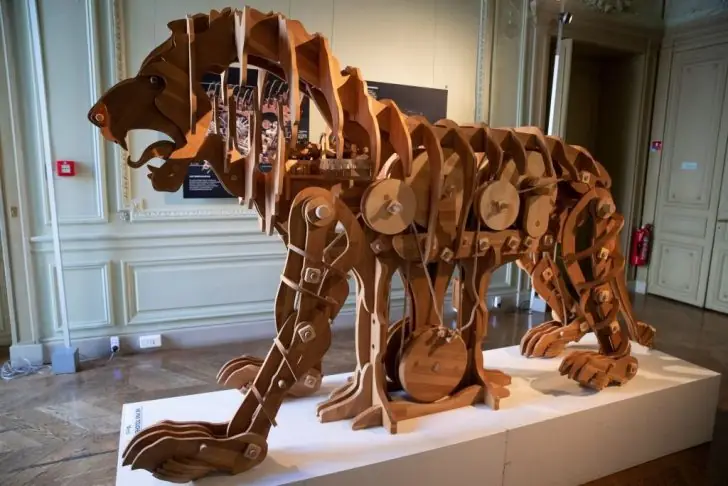
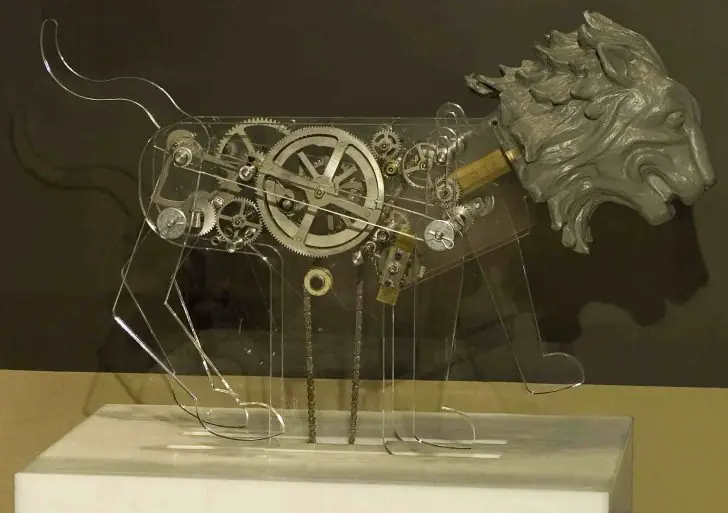
Next up: Leonardo da Vinci, the famous Renaissance painter, was also a scientific genius. In the late 15th century, he designed and constructed a robot that could sit, stand, and move its arms.
Mary Shelley’s Frankenstein
In the early 19th century, Mary Shelley wrote a novel that tackled the idea of creating life from non-living matter. Some have interpreted her classic story, “Frankenstein,” as a warning against AI.
Ada Lovelace’s Analytical Engine
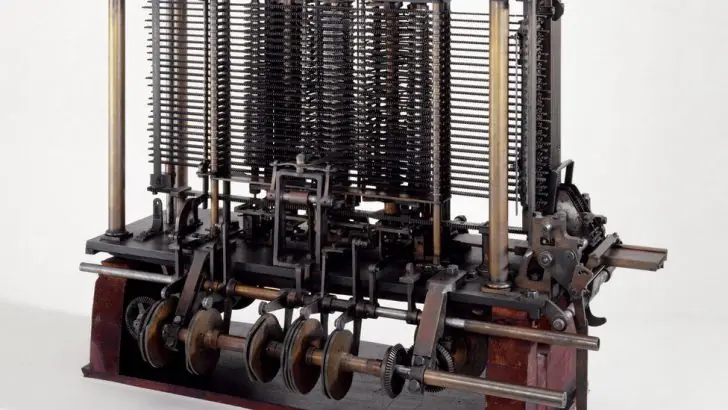
Ada Lovelace was an English mathematician. She is credited with writing the world’s first computer program in the mid-19th century. So, she worked with Charles Babbage on his Analytical Engine – an early precursor to the modern computer.
Alan Turing’s Universal Machine
In the mid-20th century, Alan Turing, a brilliant mathematician and computer scientist, developed a concept known as the Universal Machine. This became the basis for modern computers. Today, it is seen as a precursor to AI.
Isaac Asimov’s Three Laws of Robotics:
Science fiction author Isaac Asimov wrote many stories about robots and AI. His most famous contribution is the “Three Laws of Robotics.” Thus, these are still cited today as a framework for developing ethical artificial intelligence.
HAL 9000
Stanley Kubrick’s classic 1968 film, “2001: A Space Odyssey,” features an AI character named HAL 9000. HAL is responsible for managing the ship and crew. But eventually begins to malfunction and turns on the crew.
Thus, the character of HAL is a cautionary tale of the potential dangers of AI. And the importance of implementing safe controls for these technologies.
Summing Up
As we can see from these seven examples, AI has been a topic of fascination and speculation for a long time. From ancient myths to modern science fiction, people have dreamed of creating machines that can think and reason like humans.
Today, we are closer than ever to making those dreams a reality – but we must proceed with caution. So, it is important to remember that AI is a tool that can be used for good or ill, depending on who wields it.