
Who says you need expensive tools and gadgets to discover new places? All you have to do is channelize your curiosity in the right direction, and you’ll find what you want. It seems that’s what happened with retired Royal Navy diver Chris Murray.
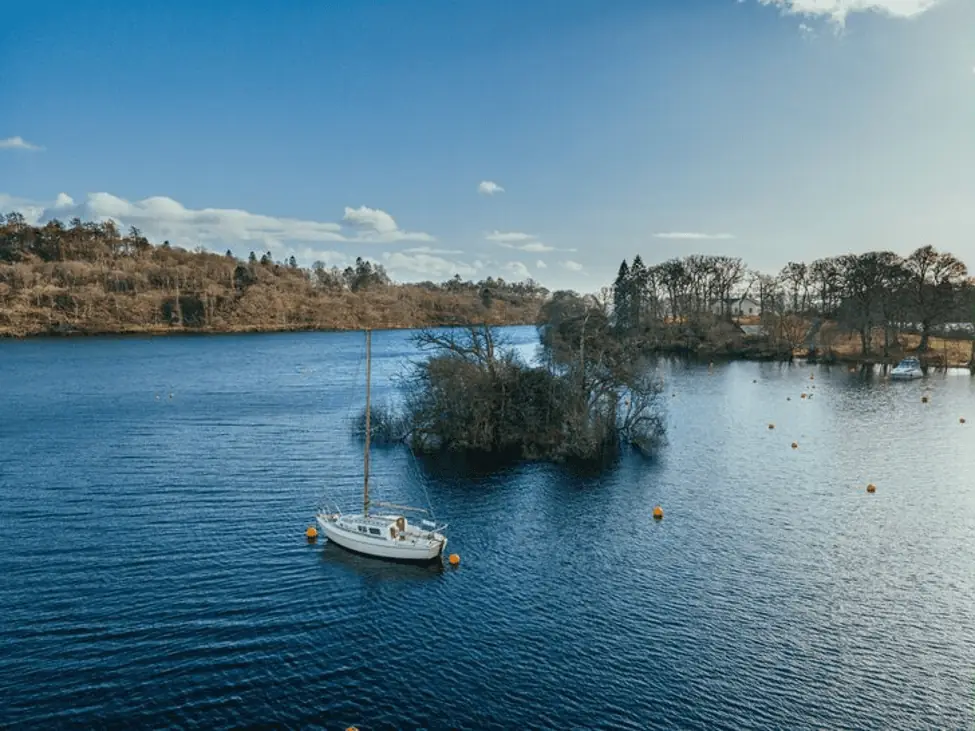
Almost a decade ago, Murray dived into the icy waters of a lake in the Isle of Lewis and came across a mysterious island. When he searched the place, he found some pottery dating back to 3600 BC! His discovery forced many to think about the civilizations which existed in these British Isles thousands of years ago, along with raising questions like why these artificial islands were created in the first place.
The hows and whys to crannogs
Crannogs are ancient man-made islands built in lakes and estuarine waters. To date, around 600 crannogs have been recorded in mainland Scotland and its islands. Though people aren’t sure why these structures were created, they admire the effort of the people who built them.

Professor Fraser Sturt, who has been studying crannogs with Dr. Duncan Garrow, says they’re an example of the massive effort people put in to create mini islands thousands of years ago. Back then, people used rocks to establish such structures on lake beds, piling timber at the base to create a sturdy foundation. Needless to say, building an establishment like an island on which civilization could survive for years would have taken extensive effort to search for the right kind of materials, and then involved ferrying them to and from the shore – a task in itself. And all that keeping the infamously unpredictable Scottish weather in mind!
To put things into a better perspective, archaeologists set out to create one of their own crannogs in Perthshire back in the 90s. They had the benefit of timber cutting tools on their side, and still, it took them roughly three years to complete the mission. Building just one crannog needed almost 168 timber piles, each measuring 7m to 9m in length.
But all this effort for what?
Evidently enough, building crannogs was no pesky endeavor. But why would a civilization put in so much time and effort into building dwellings in the middle of water when they had wide expanses of land at their disposal? That question has bugged archaeologists studying Scottish history for years.
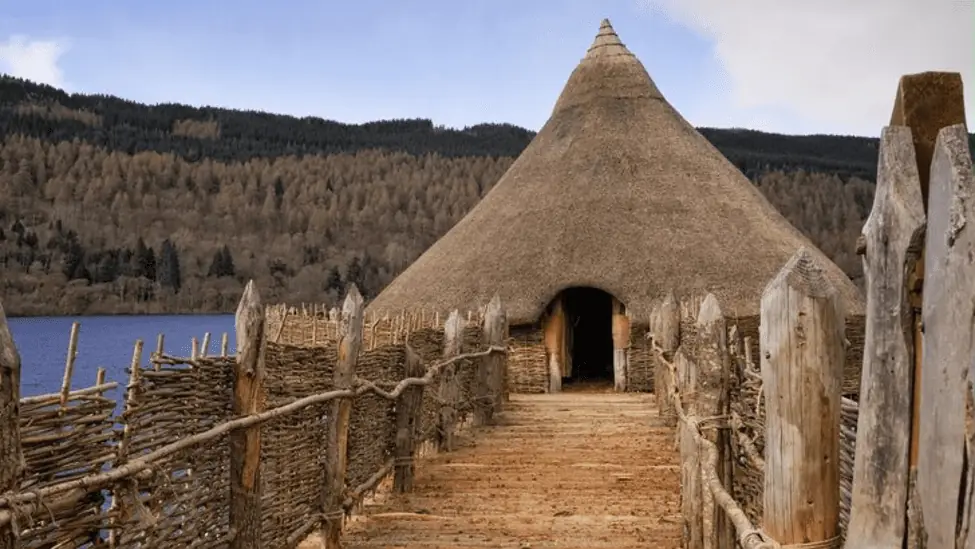
Barrie Andrian, an underwater archaeologist, has been researching crannogs since the 80s alongside Dr. Nick Dixon, her partner. She states that since the exact purpose behind building these artificial islands remains unclear, what can be assumed is that crannogs were either high-status homes of local leaders, or water-based trading posts, or perhaps, places of spiritual significance.
Windows to Neolithic human life
While nothing can be said for sure, experts agree that thanks to the undisturbed icy waters of Scotland’s lochs, ancient artifacts on these crannogs do provide a window into the human ways of life in the stone age. Not just wooden and stone artifacts, the pollen and macro-plant remain discovered around crannogs also help divulge information about the lifestyle and food habits of people back then.
Must say, the area is quite the informational gold mine, don’t you think?